Better Climate, Better Grades

Seamless emotional well-being platform for schools

From check-ins to interventions, every step is automated, intuitive, and preventive. Goodness fits naturally into daily routines, delivering benefits without adding workload

Discover How Goodness Works

Daily check-ins, zero extra work

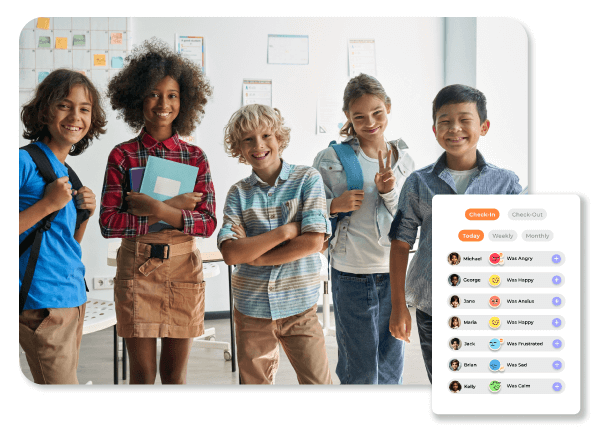
Students complete their emotional and basic needs check-in. Teachers don’t need to intervene, yet they immediately gain clarity on how their class is starting the day.

Classroom Climate – Connection before Correction

When teachers have a clear view of their students’ emotional state, they gain the opportunity to connect before any emotion escalates. This proactive awareness not only prevents dysregulation but also strengthens teacher–student relationships while keeping learning on track.

Preventive Micro-Interactions for Tier 1 Support

Goodie provides timely acknowledgement of students’ emotions, responding right when they need it to help them recognize and manage their feelings—proactively reducing, and often preventing, misbehaviors in the classroom.

Let’s Make Schools Thrive!

Administrators see real-time emotional and behavioral data by grade, classroom, and student. Early decisions can be made with confidence to strengthen climate and outcomes.

What teachers are saying: “It’s done for me, and that’s what I like!”

Proven  Impact

Over 40% fewer behavioral referrals in just 90 days — real results that redefine how schools support student well-being.

⁠⁠Real-time emotional data turns prevention into action — Teachers spot and support dysregulation before it becomes disruption.

✅Administrators and teachers move from guessing to knowing — Emotional and behavioral insights power smarter, data-driven decisions.

Blog

Trauma-Informed Classroom: Building Trust and Safety
Transformative Power of Student Acknowledgment for Engagement
Self-Regulation in Education: Key to Student Success
Emotions in Education: Teachers’ Key Role in Development
Mindfulness in the Classroom: Boosting Student Well-Being
Play’s Role in Child Development and Emotional Intelligence
The Brain’s Role in Developing Social-Emotional Skills